




This was written by Chef Jeremy but I modified it for an easier read. It's a copy and paste from his facebook page. I benefited from this post (I am still a work in progress) and hopefully, this will provide new information that you find helpful!
You have four food choices for you and your loved ones:
Lightly poisoned are usually sprayed at the setting of the fruit, or use short period organophosphates that break down rapidly in the body. They may also be GMOs and the very soil in which they are grown may contain contaminants from things like chicken fertilizer with its high levels of Arsenic.
Both of these levels of poison are not limited to their time in the field, as in the case of the humble potato, many are sprayed to kill the organism after harvesting to give it a longer shelf life. This is an important distinction, as the killing agent chlorpropham stays in the body up to 175 days leading to long term accumulation in humans.
Organic is a tricky one, as there are some chemicals approved in some cases, for use on some crops. The one that I discovered that was recently discontinued after 10 years, was the approval of the application of topical antibiotics to some orchards of apples and pears when needed to suppress fire blight. However, on the whole, organic is a huge step up from the relentless small doses of chemicals specifically designed to kill plants and animals.
The last category is the hardest, the chemical-free farming. It takes hard work, the ability to embrace the fact that your fruits and vegetables may have signs of something else wanting to eat them, blemishes, or even as one disgusted person mentioned in my presence, have soil on them.
What are the benefits of chemical-free farming? - You get nutrient rich, freshly picked, poison-free produce that takes less crude oil, more sweat to grow and keeps the money in your community.
You have four food choices for you and your loved ones:
- heavily poisoned
- lightly poisoned
- organic
- chemical-free
Lightly poisoned are usually sprayed at the setting of the fruit, or use short period organophosphates that break down rapidly in the body. They may also be GMOs and the very soil in which they are grown may contain contaminants from things like chicken fertilizer with its high levels of Arsenic.
Both of these levels of poison are not limited to their time in the field, as in the case of the humble potato, many are sprayed to kill the organism after harvesting to give it a longer shelf life. This is an important distinction, as the killing agent chlorpropham stays in the body up to 175 days leading to long term accumulation in humans.
Organic is a tricky one, as there are some chemicals approved in some cases, for use on some crops. The one that I discovered that was recently discontinued after 10 years, was the approval of the application of topical antibiotics to some orchards of apples and pears when needed to suppress fire blight. However, on the whole, organic is a huge step up from the relentless small doses of chemicals specifically designed to kill plants and animals.
The last category is the hardest, the chemical-free farming. It takes hard work, the ability to embrace the fact that your fruits and vegetables may have signs of something else wanting to eat them, blemishes, or even as one disgusted person mentioned in my presence, have soil on them.
What are the benefits of chemical-free farming? - You get nutrient rich, freshly picked, poison-free produce that takes less crude oil, more sweat to grow and keeps the money in your community.
Does it cost more? - I hate that question as the answer is yes if you answer simply, but the real answer is no. It is not killing the world around you for calories. It is not building up toxins in your vital organs. It is not paying shareholders and commodity brokers, burning tons of petroleum, stripping the topsoil, pushing people off the land, reducing variety and diversity, minimizing nutritional value, poisoning the rivers or coastal waters and the very air we breathe.
You have to decide how you measure costs and if a little poison every day is worth the few cents you save. You have to make it a conscious decision.
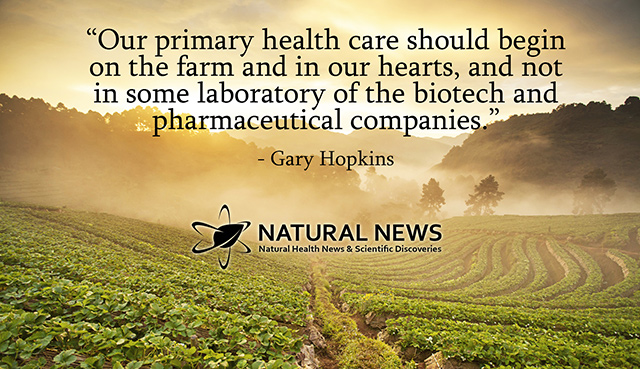

You have to decide how you measure costs and if a little poison every day is worth the few cents you save. You have to make it a conscious decision.


No comments:
Post a Comment
Thanks for leaving your feedback! Please feel free to leave a link to your blog as you post comments. Nice to know someone is reading this :)
Note: Only a member of this blog may post a comment.